Introduction
When the scorching summer heat settles in Tucson, residents find themselves at a crossroads: should they opt for central air conditioning or ductless systems? Both options have their merits, but choosing the right one can significantly impact comfort, energy bills, and even home aesthetics. In this comprehensive guide, we aim to elucidate the intricacies of both systems while focusing on their suitability for Tucson's unique climate. Join us as we delve deep into "Choosing Between Central Air and Ductless Systems: A Tucson Perspective."
Understanding the Basics of Central Air Conditioning
What is Central Air Conditioning?
Central air conditioning systems are designed to cool entire homes uniformly. They work by circulating chilled air through a series of ducts connected to vents in different rooms.
Key Components of Central Air Conditioning
Air Handler: This component pushes air through the ducts. Condenser Unit: Located outside, this unit expels heat from the refrigerant. Ductwork: The network that distributes cooled air throughout your home. Thermostat: Controls the temperature settings.Advantages of Central Air Conditioning
- Even Cooling: Provides consistent temperatures across all rooms. Better for Large Homes: Ideal for larger spaces due to its efficient cooling capacity. Improved Indoor Air Quality: Comes equipped with filters that remove dust and allergens.
Disadvantages of Central Air Conditioning
- Higher Installation Costs: Installing ductwork can be expensive if not already in place. Space Requirements: Requires ample space for duct installation and equipment.
Exploring Ductless Systems
What are Ductless Systems?
Ductless systems, also known as mini-split systems, consist of an outdoor compressor unit and one or more indoor air handling units. These systems do not require ductwork.
Key Components of Ductless Systems
Outdoor Compressor: Responsible for pressurizing the refrigerant. Indoor Units: Mounted on walls or ceilings; they distribute cooled air directly into living spaces. Remote Control Thermostat: Allows personalized temperature control for each room.Advantages of Ductless Systems
- Energy Efficiency: Generally consume less energy compared to central systems. Flexible Installation Options: Can be installed in various configurations without extensive remodeling. Zoning Capability: Individual temperature controls allow customization in different rooms.
Disadvantages of Ductless Systems
- Aesthetic Concerns: Indoor units may not blend well with decor. Limited Cooling Capacity in Larger Homes: May struggle to cool expansive areas effectively.
Comparing Energy Efficiency
Energy Rating Standards Explained
Understanding SEER (Seasonal Energy Efficiency Ratio) ratings is crucial when comparing both systems' energy efficiency. A higher SEER rating indicates better energy efficiency.
| System Type | Typical SEER Rating | Average Annual Cost | |---------------------|---------------------|---------------------| | Central AC | 14 - 20 | $1,200 - $2,000 | | Ductless AC | 18 - 30 | $900 - $1,500 |
How Do Tucson Temperatures Affect Efficiency?
Tucson experiences extreme temperatures that can affect energy consumption:
High daytime temperatures lead to increased cooling demands. Nighttime cooling needs can vary based on humidity levels.By understanding these dynamics, homeowners can select a system that optimizes their energy costs while maintaining comfort levels.
Installation Considerations in Tucson
Installation Costs Overview
Investing in either system involves upfront costs—installation costs can vary widely based on several factors:
Type of System Size of Home Existing InfrastructureCost Comparison Table
| System Type | Average Installation Cost | |---------------------|---------------------------| | Central AC | $5,000 - $10,000 | | Ductless AC | $3,000 - $7,000 |
Local HVAC Companies in Tucson Offering Installation Services
Selecting a reputable HVAC company is essential for installation success:
- Tailored Mechanical ABC Heating and Cooling Desert Sun Heating & Cooling
These companies provide expert advice tailored to Tucson's climate and your specific needs.
Maintenance Requirements for Longevity
Routine Maintenance Needs for Central AC Systems
Regular maintenance ensures longevity and efficiency:
Change filters every 3 months. Schedule annual professional inspections. Clean ductwork periodically to prevent dust buildup.Maintenance Needs for Ductless Systems
Though often simpler than central systems, ductless units also need care:
Clean filters monthly during peak use season. Ensure outdoor units are debris-free to maximize airflow. Schedule annual check-ups with an HVAC company like Tailored Mechanical.The Impact on Indoor Air Quality (IAQ)
Central AC and IAQ Benefits
Central air conditioning can significantly enhance indoor air quality by filtering out allergens and pollutants through its centralized filtration system.
Ductless Systems’ Role in Enhancing IAQ
Ductless mini-splits also improve IAQ but often rely on individual filters within each unit; hence regular maintenance is critical to ensure optimal performance.

Noise Levels Comparison Between Both Systems
How Loud Are Central AC Units?
Typically quieter than older models due to advancements in technology; however, noise levels can still reach up to 70 decibels at peak operation.
Ductless System Noise Levels
Generally quieter at around 40 decibels; perfect if you prioritize tranquility during hot summer nights!
Assessing Your Home’s Layout for Best Fit
Homeowners must evaluate specific characteristics influencing their choice:
Square footage Number of floors Presence or absence of existing ductworkThis analysis will guide your decision-making process regarding which system suits your home best!
The Environmental Impact of Each System
Both central and ductless systems come with environmental footprints—however:
Ductless systems produce fewer emissions due to high energy efficiency ratings. Proper insulation plays a crucial role in reducing overall carbon output regardless of chosen system type!Cost-Benefit Analysis Over Time
How do long-term costs stack up against initial investment?
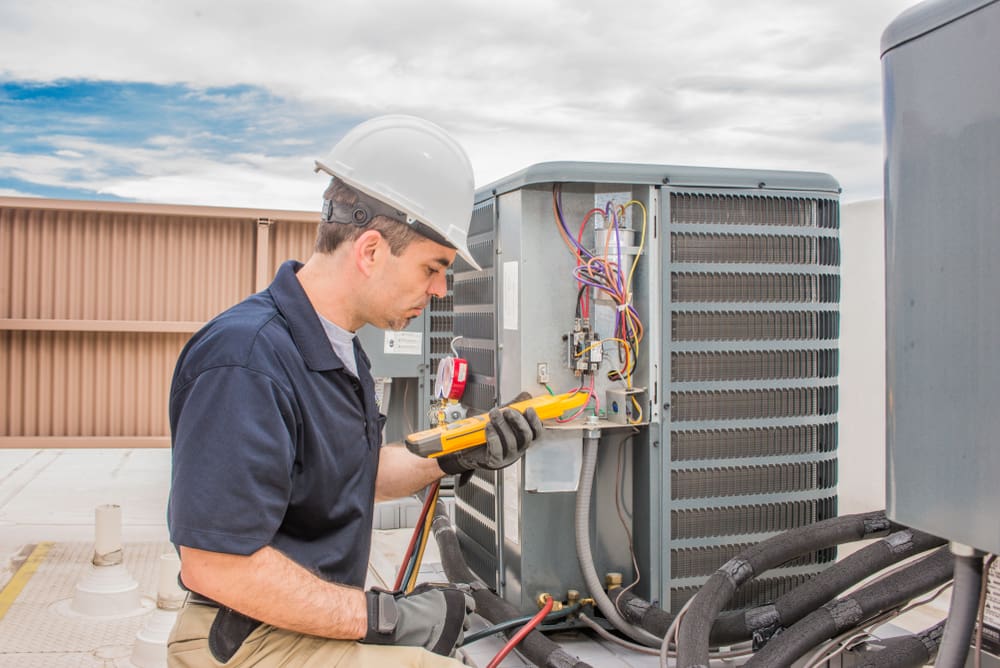
Research shows that despite higher upfront costs associated with central AC installations over time—they may offer lower operational expenses due largely because they cool larger areas simultaneously!
Conversely—while ductless options present lower initial investments—ongoing maintenance expenses could accumulate quickly depending upon usage patterns!
Conclusion
Choosing between central air and ductless systems requires careful consideration based on personal preferences regarding comfort level versus cost-effectiveness!
Both options have unique advantages catered specifically toward different home styles found within our vibrant Tucson community! To make informed decisions tailored towards specific needs—seek professional HVAC guidance from trusted companies such as Tailored Mechanical who understand local climates deeply!
With proper planning—you’ll enjoy an ideal climate year-round without breaking the bank!
FAQs
What is more energy-efficient—central or ductless?
Ductless systems generally have higher SEER ratings making them more energy-efficient than traditional central ACs—especially under varying load conditions common in Tucson summers!
Can I install a ducted system without existing ducts?
Yes—but it may involve significant renovations leading potentially higher total costs when factoring both installation + related structural changes needed throughout home design layout.
Are there any tax credits available when upgrading my HVAC system?
Yes! Many utility providers offer rebates/credits incentivizing upgrades toward highly efficient models! Check tailoredmechanical.com local programs available prior investing!
Which system provides better zoning capabilities?

Ductless mini-splits excel at providing individualized control per room allowing maximum comfort flexibility compared against centralized setups where only one thermostat governs entire house settings overall!
Is professional maintenance really necessary?
Absolutely! Regular professional inspections help ensure all components operate efficiently prolonging lifespan while minimizing unexpected breakdowns leading costly repairs down road!
How long does installation take typically?
Depending upon complexity—it usually takes anywhere from several hours up through multiple days depending upon size/type chosen along with current infrastructure conditions needing adjustments made throughout process itself!
In this article titled "Choosing Between Central Air and Ductless Systems: A Tucson Perspective," we've explored various aspects surrounding these two popular cooling solutions suitable specifically tailored towards our beautiful desert environment here within fascinating community we call home!